10 Signs Your Child May Need Speech Therapy in Jenks, OK
Every child develops speech and language skills at their own pace. However, there are times when a child may need additional support to develop clear communication skills. Speech and language delays are among the most common developmental concerns parents notice in young children.
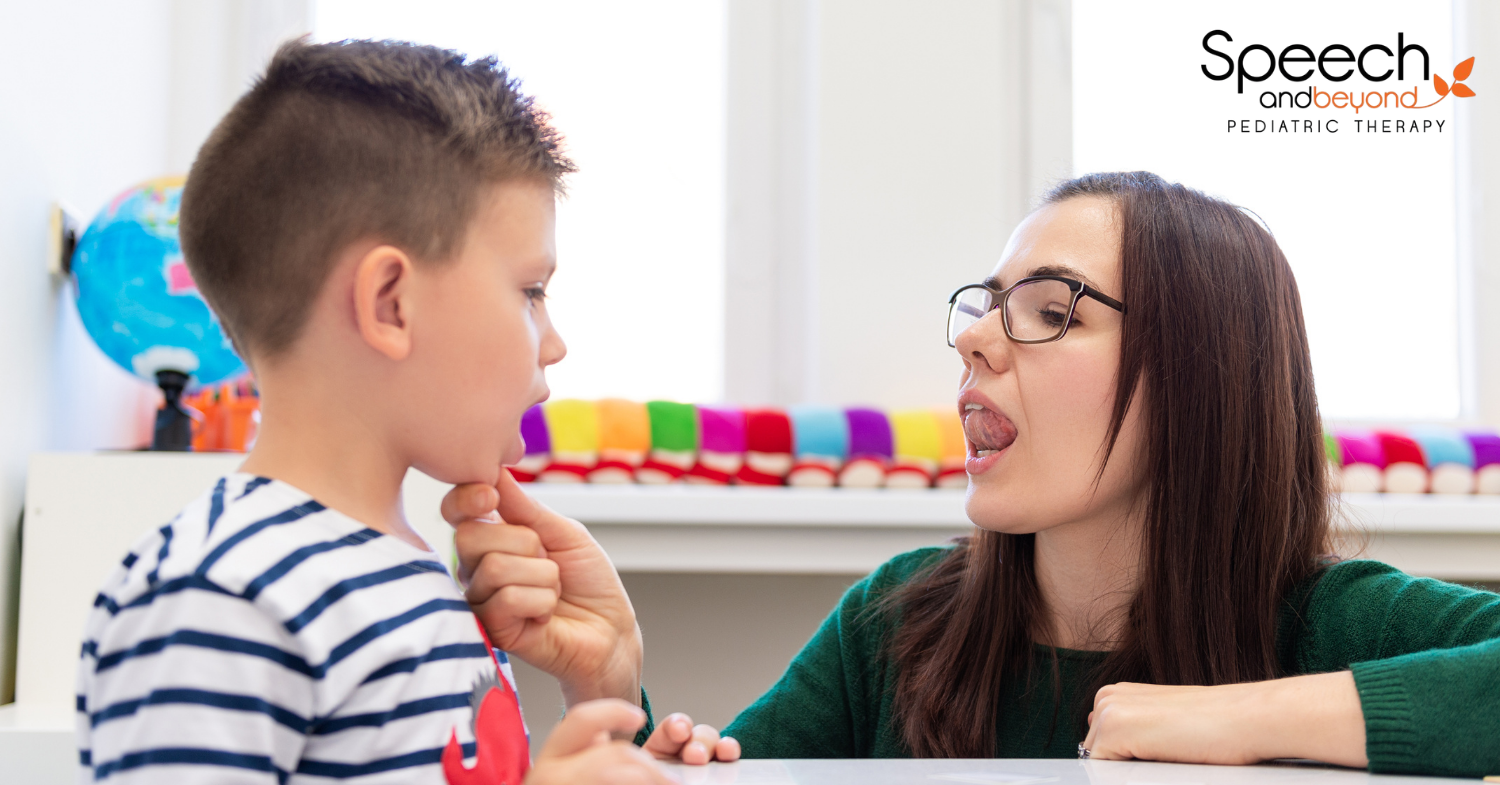
For families in Jenks, Tulsa, Broken Arrow, and surrounding communities, understanding the signs of a speech delay can help ensure children receive the early support they need.
At Speech & Beyond Pediatric Therapy in Jenks, OK, licensed speech-language pathologists work closely with families to identify communication challenges and create personalized therapy plans that help children thrive.
In this guide, we’ll explore 10 common signs your child may benefit from speech therapy.
Why Early Speech Therapy Matters
Communication skills play a critical role in a child’s:
academic success
social development
emotional regulation
confidence
Early intervention can significantly improve a child’s ability to communicate effectively and build relationships.
When speech delays go untreated, they may affect literacy, classroom participation, and social interaction.
1. Your Child Isn’t Using Words by Age 2
Most toddlers begin using simple words between 12–18 months and combine words by age two.
If your child:
rarely speaks
uses very few words
relies mostly on gestures
A speech evaluation may be beneficial.
2. Difficulty Pronouncing Sounds
Children often mispronounce words when they are learning to speak. However, if speech is consistently difficult to understand beyond age three, it may indicate an articulation disorder.
Examples include:
“wabbit” instead of rabbit
“tat” instead of cat
Speech therapy helps children develop proper sound production.
3. Trouble Understanding Instructions
Speech therapy also supports language comprehension.
Your child may struggle if they:
don’t follow simple directions
seems confused by questions
misunderstand conversations
These challenges may indicate receptive language difficulties.
4. Limited Vocabulary for Their Age
Children typically experience a “vocabulary explosion” between ages 2 and 3.
If your child:
uses fewer words than peers
struggles to name objects
repeats the same phrases frequently
Language therapy may help expand vocabulary.
5. Stuttering or Fluency Issues
Many children go through temporary phases of disfluency.
However, persistent stuttering may involve:
repeating sounds
prolonged syllables
noticeable tension while speaking
Speech-language pathologists help children improve fluency and confidence.
6. Difficulty Forming Sentences
Children should gradually begin forming longer sentences.
Signs of concern include:
short phrases beyond age three
missing words in sentences
difficulty explaining thoughts
Speech therapy supports grammar and expressive language skills.
7. Difficulty Socializing with Other Children
Communication skills impact social development.
Children with speech delays may:
avoid talking with peers
become frustrated easily
struggle to participate in group play
Speech therapy helps children develop social communication skills.
8. Feeding or Swallowing Difficulties
Speech-language pathologists also help with feeding challenges.
Children may benefit from feeding therapy if they:
gag on foods
avoid certain textures
have limited food preferences
Feeding therapy helps children develop safe and comfortable eating habits.
9. Frustration When Trying to Communicate
Children who cannot express themselves may become frustrated.
Signs include:
tantrums when speaking
withdrawing socially
pointing instead of talking
Speech therapy provides tools to improve communication confidence.
10. Your Pediatrician or Teacher Expresses Concern
Teachers, pediatricians, and childcare providers often notice developmental differences.
If a professional suggests an evaluation, it is helpful to schedule one promptly.
What Happens During a Speech Evaluation?
During an evaluation, a speech-language pathologist will:
assess speech sounds
evaluate language understanding
observe communication skills
discuss developmental milestones
Parents receive a detailed plan tailored to their child’s needs.
Speech Therapy Services in Jenks, OK
Speech & Beyond Pediatric Therapy serves children throughout:
Jenks
Tulsa
Broken Arrow
Bixby
Our experienced therapists provide personalized therapy for communication challenges, including articulation disorders, autism communication support, and language delays.
When to Schedule a Speech Evaluation
If you notice several signs listed above, scheduling a professional evaluation can provide clarity and peace of mind.
Early therapy can help children develop communication skills that last a lifetime.